
Conservation, Racism and Indigenous Peoples Human Rights Symposium
Watch Here
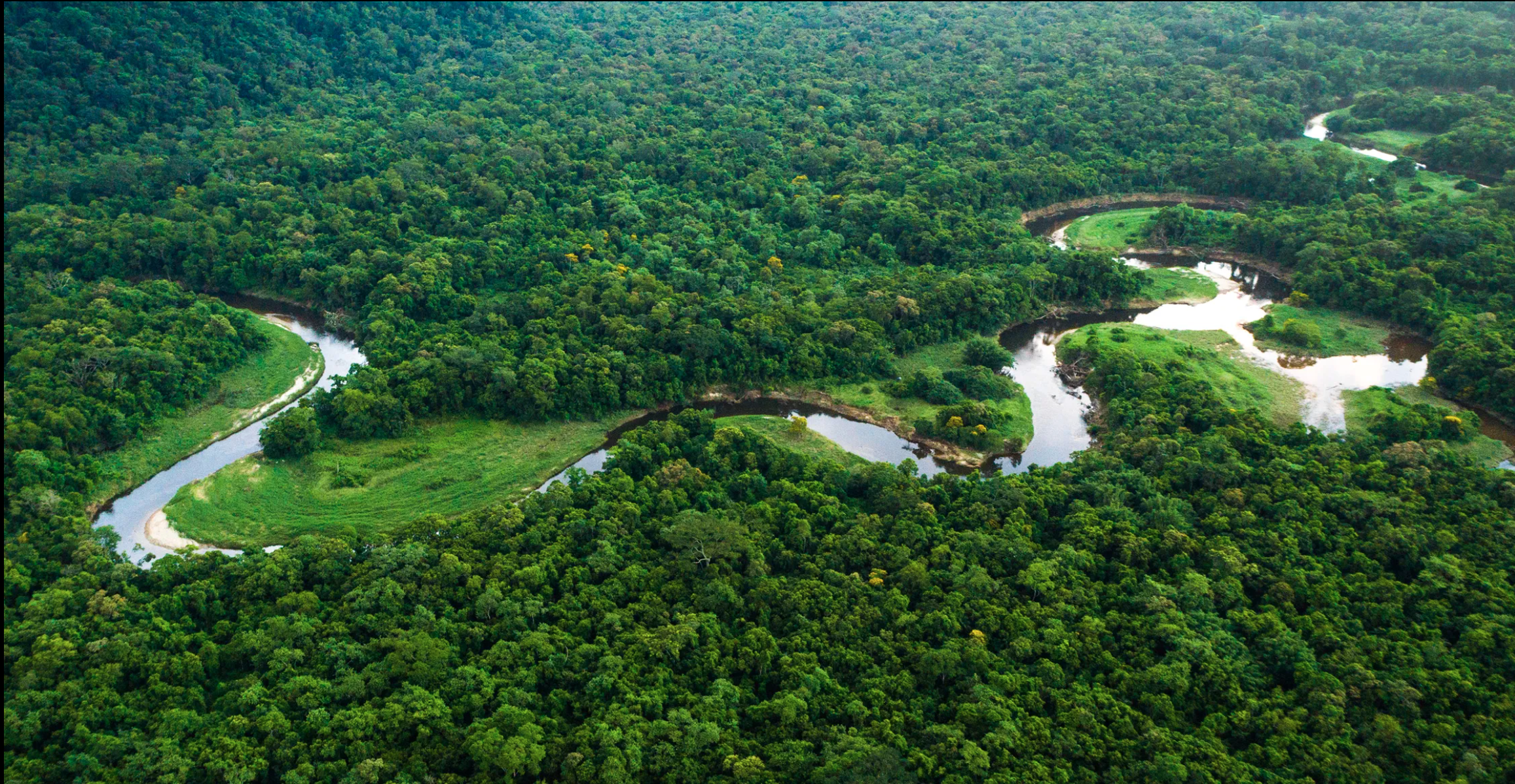
To commemorate the United Nations International Day for the Elimination of Racial Discrimination and the International Day of Forests, join us in Cuk-Ṣon (Tucson Arizona) for this two day symposium on Thursday March 21 to Friday March 22 exploring the intersections of racism, colonialism and conservation and calling for an environmental justice movement based on Indigenous Peoples Human Rights. International speakers include Special Rapporteur on the Rights of Indigenous Peoples José Francisco Calí Tzay and John Knox, the former Independent Expert on human rights obligations relating to the enjoyment of a safe, clean, healthy and sustainable environment. Both in person and zoom attendance are available for participants.

Examining environmental issues from legal, scientific, economic, and public policy perspectives.

Fall 2023 Issue
-

The Troubles with Mill Sites: Resolving Legal and Practical Barriers to Mining on Federal Lands
Evan Klouse
-

Underfunded and Underappreciated: UNFCCC’s Technology Mechanisms and the Need for Stable Funding
Sam Stephens
-

Just Transition as Wellbeing: A Capability Approach Framing
Adebayo Majekolagbe

Make your voice heard in what the Pima County Climate Pollution Reduction Plan looks like. Provide input here!
Interested in being published? Contact us.
Summer 2023 Issue
-

What is the Grass? Defining the Ecological Person
Mia Burcham
-

Centering Mni Waconi in Water Law
The Nature of the Ponca Tribe of Oklahoma's Water Rights and Potential Methods to Ascertain Them
Slam Dunkley
-

Exploiting an Ambiguity
Sara Leopold
-

Transnational Desalination Agreements
A Panacea for a Parched Region or Better Taken with a Grain of Salt?
Sean Krieg
Make a donation.
AJELP is a student-run organization and is an electronically-published journal. To help maintain our online presence and ability to publish, continue to coordinate events and symposiums, and provide a quality atmosphere for students on the Journal, please consider donating to our Journal.
*DONATIONS ARE NOT TAX EXEMPT

LAND ACKNOWLEDGEMENT
We respectfully acknowledge the University of Arizona is on the land and territories of Indigenous peoples. Today, Arizona is home to 22 federally recognized tribes, with Tucson being home to the O’odham and the Yaqui. Committed to diversity and inclusion, the University strives to build sustainable relationships with sovereign Native Nations and Indigenous communities through education offerings, partnerships, and community service.